Hospitality · hotels and guesthouses
Hotel and guesthouse management system
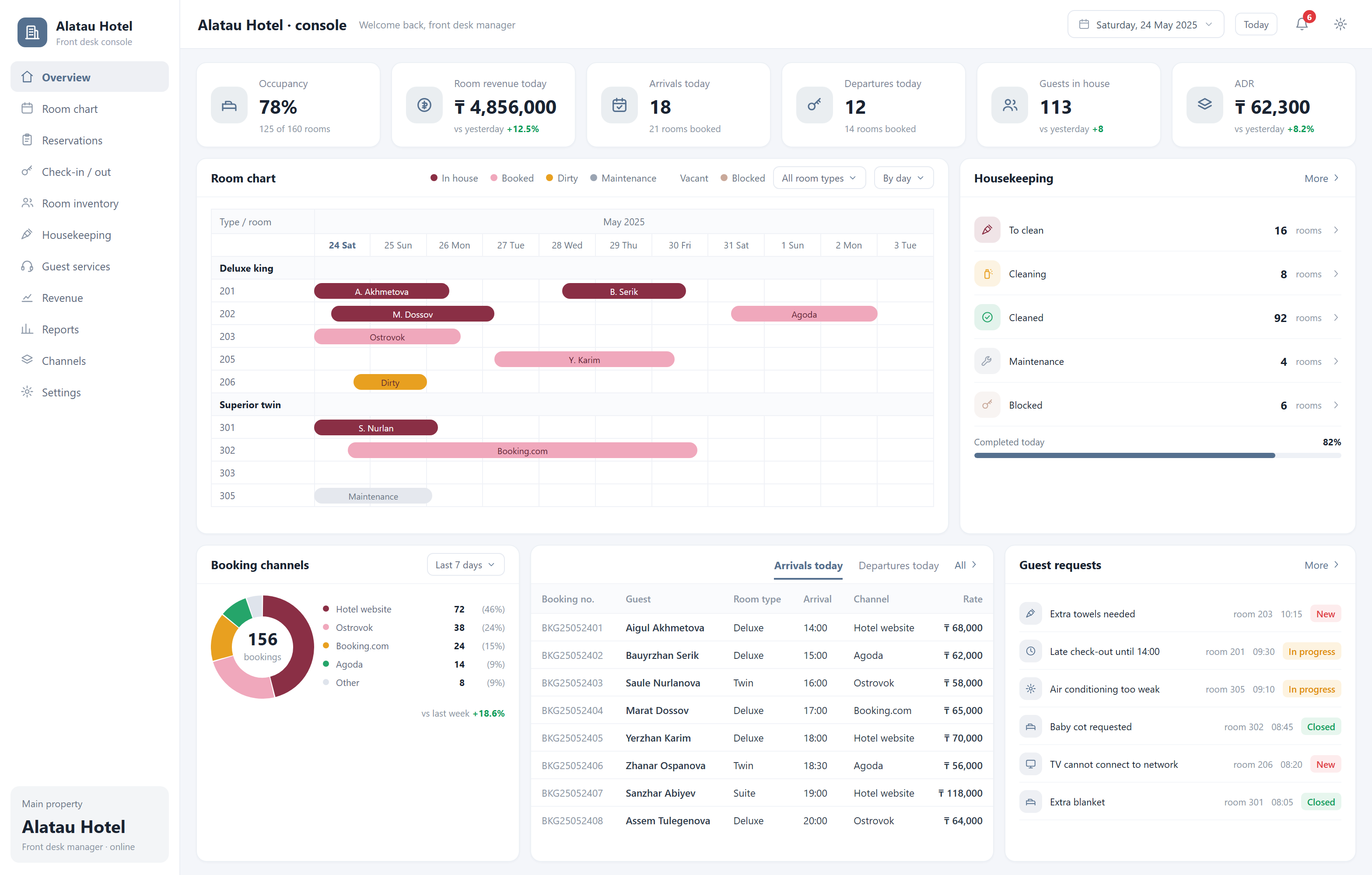
In a hotel with a dozen or so rooms the most expensive mistake is overbooking — two channels sell the same room and the guest arrives to nothing. Availability lives on a whiteboard, one messy shift handover and it happens. This system puts every room into one chart: who is staying until when, and what is free, in a single glance.
What it solves
You find out about the overbooking afterwards
Phone, Instagram and walk-ins each go their own way and the whiteboard cannot keep up. Every booking lands in the same availability chart, and dates already taken simply cannot be selected — overbooking is closed off at the source.
Shift handover runs on word of mouth
Who paid a deposit, who is extending, which room is still not cleaned — the last shift said it and the next one forgot. Status and notes hang on the room, so handover reads the system instead of someone’s memory.
You cannot tell when to change the rate
Season, weekends and holidays get priced on instinct. The system sets rates by date, and occupancy and average rate are visible every day, so pricing decisions rest on numbers.
Before and after
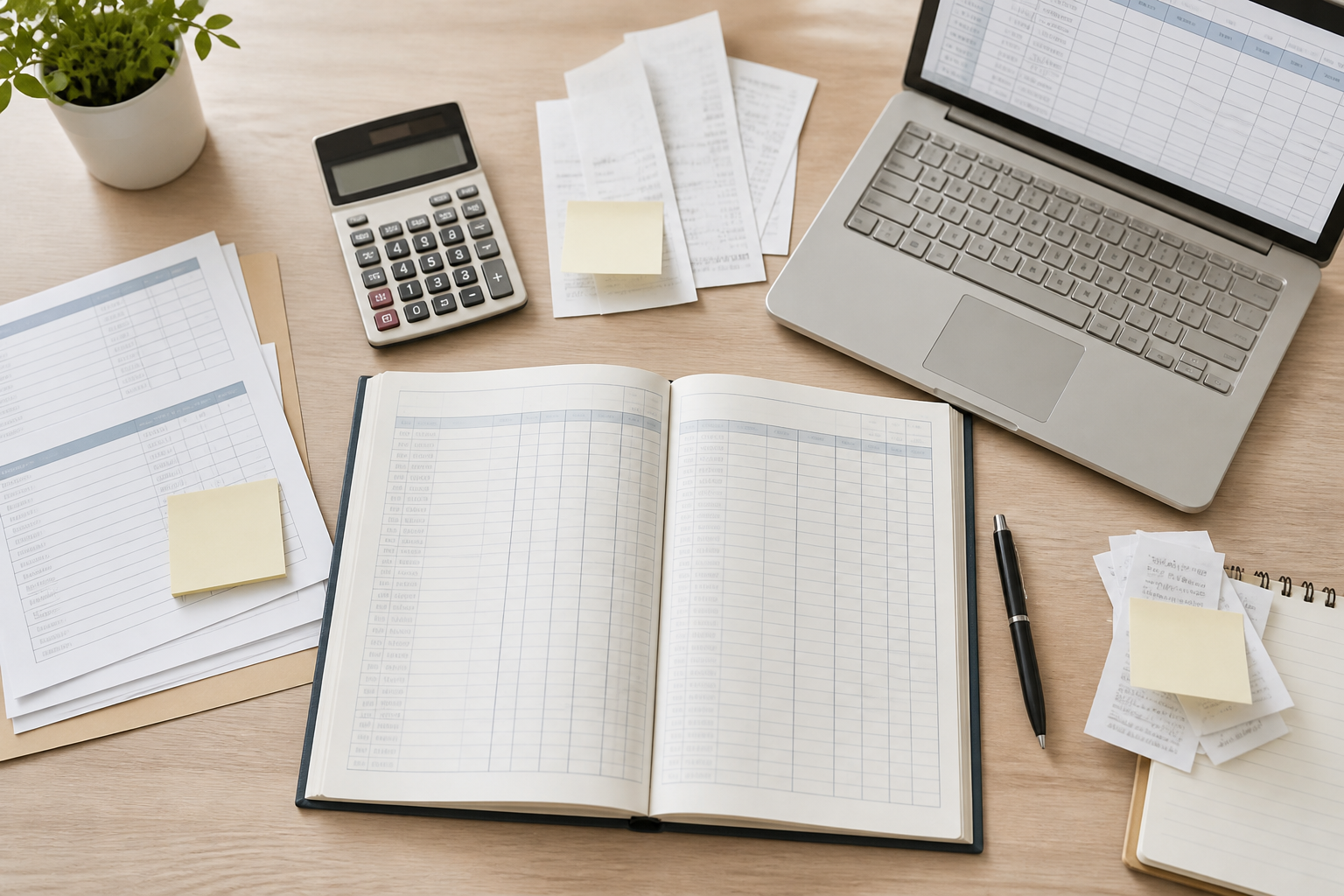
- Availability drawn on a whiteboard; one bad handover and you are overbooked
- Bookings scattered across calls, Instagram and chat threads
- Whether a room is cleaned gets settled by shouting down the corridor
- One rate all year round, so peak season is money left on the table
- Every booking in one chart; overlapping dates cannot be selected
- Channel bookings are consolidated and availability updates itself
- Cleaning and maintenance status sit on the room; handover reads the system
- Rates set by date, with occupancy and average rate visible daily
Capabilities
Availability chart: rooms × dates on one screen, drag to move a booking
Bookings consolidated from every channel, overlapping dates blocked
Check-in and guest record keeping
Rates set by date, with season and weekend pricing
Deposits, balance due and cancellation rules
Housekeeping and maintenance status flow
Occupancy, average room rate and booking-source reports
Small hotels, guesthouses and serviced apartments, hostels, and holiday camps or spa resorts with rooms to manage.
FAQ
Can it connect to Booking and similar platforms?
Synchronisation is possible — bookings from the platform come into the system and availability changes go back out. It depends on which platforms you use and whether you have API access, so this part is scoped separately and is not included in the base quote.
Our receptionist is older and not comfortable with computers — what then?
The availability chart works by dragging and can be learned in half a day; it is more intuitive than the whiteboard. On launch day our person spends a shift beside the front desk and does not leave until the day and night handover has been run through properly.
How much does a system cost?
It depends on the feature set, how many locations you have and whether hardware integration is needed. Using a ready module costs significantly less than building from zero. We can give a range after the first conversation, and once the scope is agreed the price is fixed — we do not bill by the hour.
How soon can we start using it?
If the module is used largely as-is, 2–3 weeks. If it needs substantial adaptation to your process, usually 4–6 weeks. The timeline is stated in the proposal.
Where is the data stored? Can it be on our own server?
It can. By default the system runs on servers we maintain, which is simpler for you. If you have compliance or internal control requirements, we deploy entirely on your server or on a machine in your premises, and data never leaves your network.
Other systems
Gym membership system
Retire the paper log and the spreadsheet: memberships, personal training and renewal reminders in one place.
QR self-ordering system
Guests scan, order and pay themselves while the order goes straight to the kitchen — fewer queues, fewer mistakes, lower staffing cost.
Internet café management system
Session billing, client balances and seat status on a single screen at the front desk.